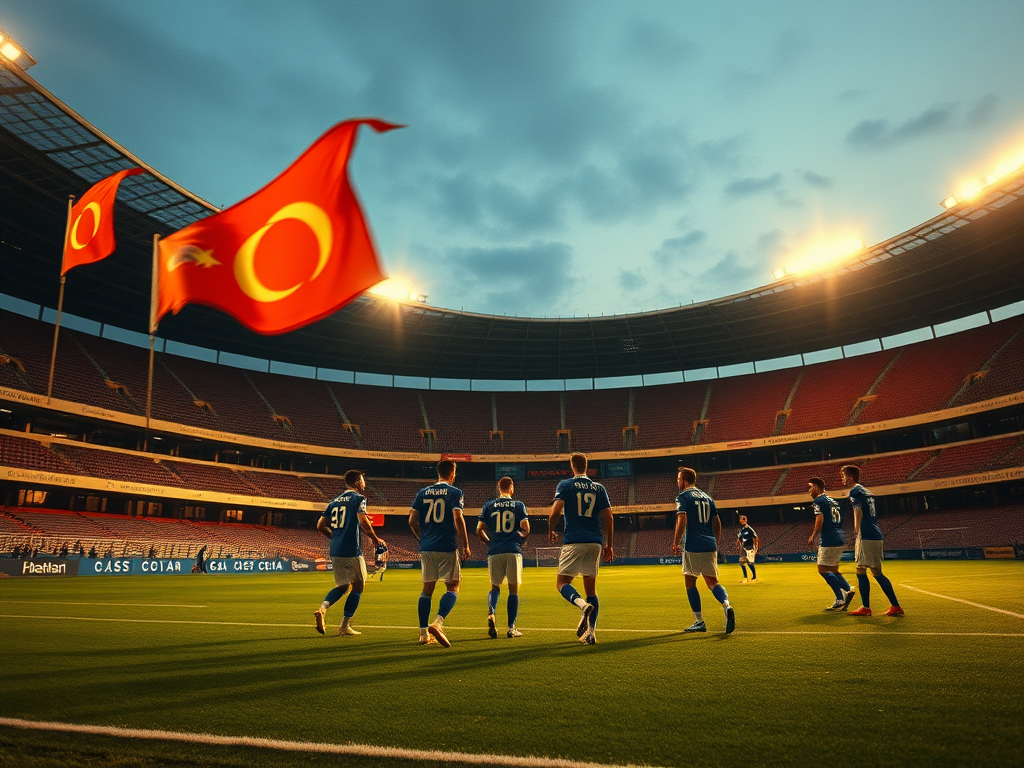
 Kasımpaşa SK Hub
Kasımpaşa SK has garnered attention with its recent performances, revealing a clear need for adjustments in the team's tactical setup. As competition in the Süper Lig intensifies, analyzing opponents and developing suitable strategies is crucial for success. Here, we suggest some tactical tweaks that could enhance the efficiency of Kasımpaşalılar's offensive and defensive organizations.
Current Status Analysis
In recent matches, Kasımpaşa has primarily employed a 4-2-3-1 formation. This setup creates a crowded midfield but also maximizes the effectiveness of quick wingers. However, the weaknesses of this formation have begun to surface. Particularly, gaps behind the defensive line have been exploited frequently by opponents' fast counter-attacks. Additionally, errors in the midfield passing have negatively affected the team's attacking organization.
Suggested Adjustments
By making some changes to Kasımpaşa's current tactics, it is possible to enhance defensive security while also increasing attacking effectiveness. First, transitioning from a 4-2-3-1 to a 4-4-2 formation could be a viable option to better counter opponents' pressure. This setup creates more space in the midfield and allows for two forwards to play together, which can facilitate easier goal-scoring opportunities.
Moreover, to provide more dynamism in the defensive line, it is essential to increase the involvement of full-backs in the attack. Particularly, leveraging S. Boey's speed can create greater depth on the flanks, challenging opponent defenses. Additionally, the combined playmaking abilities of K. Ayhan and R. Sallai in the midfield could strengthen the team's attacking organization.
Conclusion
In order to enhance its competitive edge in the Süper Lig, Kasımpaşa SK must embrace tactical changes. Transitioning to a 4-4-2 formation could help achieve a more balanced structure, benefitting both defensive and offensive aspects of the game. These suggested adjustments may play a significant role in Kasımpaşalılar's pursuit of their objectives.